Reading the Signals of the Immune System
Reading the Signals of the Immune System
The immune system is not controlled by a single molecule or a single cell. It operates through an interconnected network of recognition, communication, signaling and response. Understanding these connections allows researchers to move from individual biological signals to complete immune profiles.
Every immune response begins with biological information. A receptor recognizes a molecular pattern, a signaling pathway becomes activated, a cell changes its behavior, and other cells receive new instructions. What looks like an isolated event is therefore part of a much larger communication system.
The key to understanding immunity is not only identifying the signal, but understanding where that signal comes from, where it travels, what it activates, and how it changes the biological system around it.
What Is the Immune System?
The immune system is a distributed biological defense network made of cells, tissues, receptors, signaling molecules and soluble factors. Rather than behaving like a single organ, it operates across the body and continuously interprets information about the biological environment.
Immune cells include lymphocytes such as B cells and T cells, as well as innate immune cells including macrophages, neutrophils, dendritic cells and natural killer cells. Each cell type has specialized functions, but these functions depend heavily on communication with other cells.
Innate immunity
Provides rapid responses to molecular patterns associated with infection, tissue damage and other forms of biological stress.
Adaptive immunity
Generates highly specific responses through antigen receptors and can establish immunological memory.
From Recognition to Response
Before an immune response can occur, biological information must first be recognized. Immune cells contain receptors capable of detecting specific molecular structures. These structures can originate from pathogens, damaged cells or other components of the biological environment.
Recognition does not automatically produce the same response every time. The resulting behavior depends on the receptor involved, the cell type, the surrounding signals and the biological context.
Antigens, Receptors and Immune Recognition
Immune recognition depends on molecular interactions between receptors and their targets. B-cell receptors and antibodies can recognize molecular structures called antigens, while T-cell receptors recognize antigen-derived peptides presented by major histocompatibility complex molecules.
This receptor-based architecture gives the immune system remarkable specificity. At the same time, specificity exists within a larger regulatory network. Recognition is influenced by co-stimulatory signals, cytokines, tissue conditions and the history of the immune response.
Cytokines: The Language of Immune Cells
Cytokines are signaling proteins that allow cells to communicate with one another. They can influence cell proliferation, differentiation, migration, activation and inflammatory responses.
Some cytokines act locally, while others can influence distant tissues. Importantly, cytokines rarely operate independently. Multiple cytokines can interact through overlapping pathways, synergistic effects or regulatory feedback.
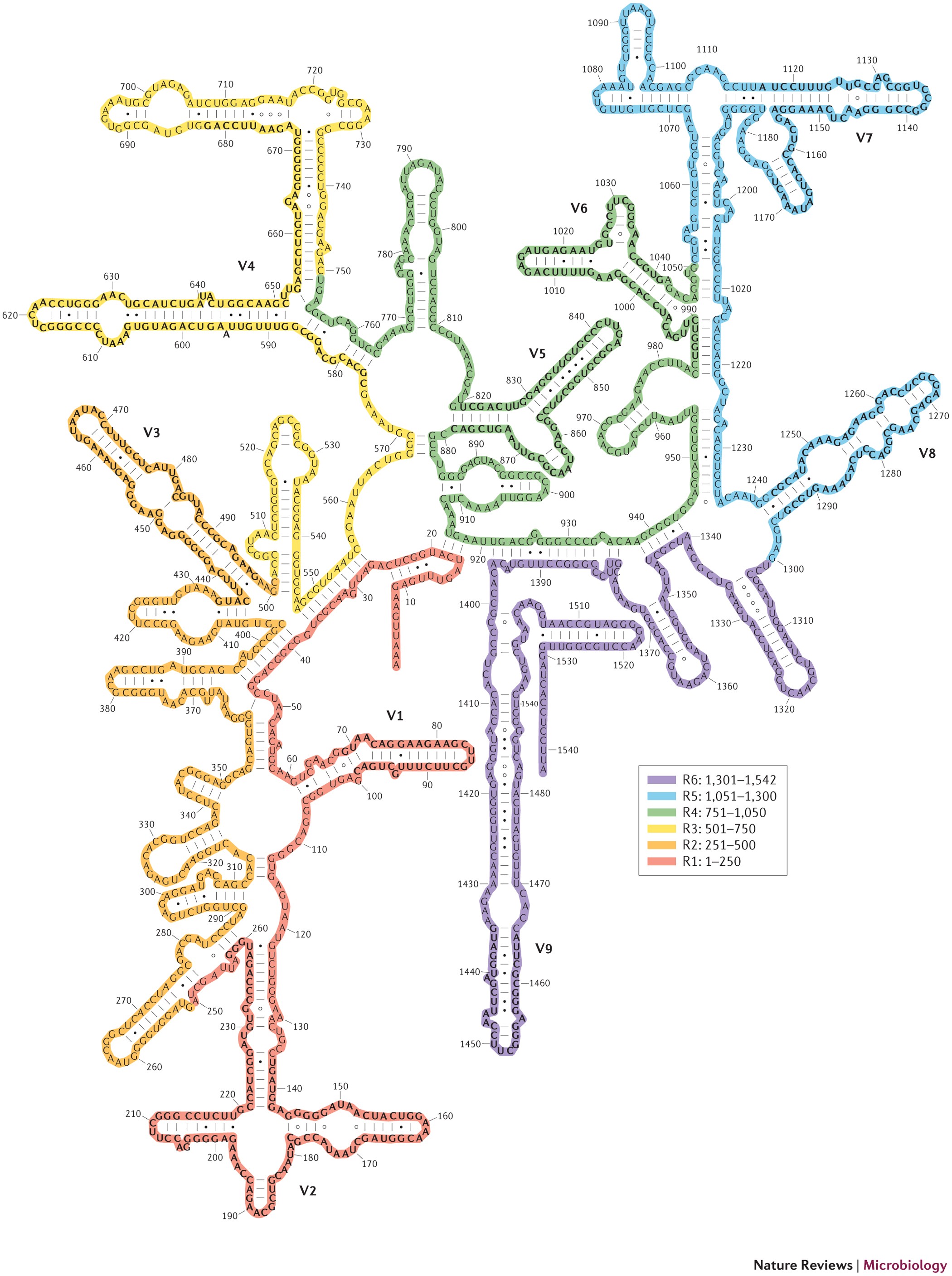
This is one reason why measuring a single cytokine may provide only a partial view of an immune process. A broader panel can reveal patterns of coordinated signaling.
Inside an Immune Signaling Pathway
Once a signaling molecule interacts with its receptor, information is transmitted into the cell. Receptors can activate intracellular signaling cascades involving protein kinases, transcription factors and other regulatory molecules.
These pathways eventually influence gene expression and cellular behavior. A signal at the cell surface can therefore produce changes in proteins, metabolism, movement or cytokine production.
This connection between extracellular signals and gene regulation is central to modern immunology. It also explains why abnormalities in signaling pathways can have consequences far beyond the original molecular interaction.
How Scientists Measure Immune Responses
Understanding an immune response requires measurement. Researchers use different technologies depending on whether they want to detect molecules, identify cell populations, measure protein expression or analyze functional responses.
| Method | Main measurement | Typical use | Biological level |
|---|---|---|---|
| ELISA | Specific proteins | Cytokines, antibodies, biomarkers | Molecular |
| Flow cytometry | Cell populations and markers | Immune cell profiling | Cellular |
| Multiplex immunoassays | Multiple proteins | Cytokine and biomarker panels | Molecular / systems |
| RNA sequencing | Gene expression | Cellular response and immune states | Molecular / cellular |
| Single-cell analysis | Cell-specific molecular profiles | Immune heterogeneity | Cellular / systems |
From Individual Signals to Immune Profiles
Biological systems are rarely explained by one measurement. An immune response may involve dozens of interacting proteins and multiple cell populations changing at the same time.
Researchers therefore increasingly use panels of biomarkers and multidimensional datasets. Instead of asking whether one cytokine is elevated, they can ask whether a coordinated molecular signature is associated with a particular biological state.
Single measurement
Useful for targeted questions, validation and routine detection, but provides a limited view of a complex biological system.
Immune profile
Combines multiple measurements to identify patterns, relationships and biological states across the immune system.

Connecting Immune Signals to Disease
Immune signaling is essential for protection, but inappropriate or persistent signaling can contribute to disease. Excessive inflammatory signaling, defective immune regulation or abnormal recognition can alter tissue function.
This can occur in infectious disease, chronic inflammation, autoimmune disorders, cancer and other biological conditions. Importantly, the same signaling pathway can have different effects depending on the tissue, timing and surrounding biological environment.

From Immune Biology to Biotechnology
Understanding immune signaling has created an extensive biotechnology ecosystem. Researchers can now detect immune molecules, characterize immune cells, engineer antibodies and develop therapeutic strategies around specific biological pathways.
Modern immunotechnology combines molecular biology, protein science, cell analysis and computational methods. This allows researchers to move from basic biological mechanisms toward diagnostics, biomarker discovery and therapeutic development.
Diagnostics
Detecting antibodies, antigens, cytokines and other biomarkers can support the characterization of biological conditions.
Research tools
Antibodies, immunoassays, flow cytometry reagents and molecular assays allow researchers to investigate immune mechanisms.
Therapeutic development
Understanding immune receptors and signaling pathways supports the development of targeted biological interventions.
Immune profiling
Multiparameter technologies help characterize complex immune states across cells, tissues and biological conditions.
The Immune System as a Connected Biological System
The most useful way to understand immune biology is to move beyond isolated molecules. Receptors connect recognition to intracellular signaling. Signaling pathways connect molecules to gene expression. Gene expression changes cellular behavior. Cellular behavior changes tissue environments, which in turn influence other immune cells.
This creates a continuous network of biological information.
Modern immunology therefore increasingly depends on the ability to connect different biological measurements. Molecular assays, sequencing, imaging, flow cytometry and computational analysis become most powerful when their results can be interpreted together.
Reading Biology Through Its Connections
The immune system is a biological communication network. Its behavior emerges from interactions between molecular recognition, cellular signaling, gene regulation and tissue-level responses.
For researchers, this means that understanding an immune process often requires connecting multiple layers of biological information rather than focusing on a single measurement.
From cytokines and receptors to immune cells and biological systems, every signal contributes to a larger picture.
Scientific Sources
- Nature Reviews Microbiology — Cytokines and immune signaling. View peer-reviewed source
- PMC — Systems-level approaches to biological and immune responses. View scientific article
- Nature Methods — Single-cell approaches for biological analysis. View peer-reviewed source
- Nature Reviews Microbiology — Interactions between microbial communities and host immunity. View peer-reviewed source